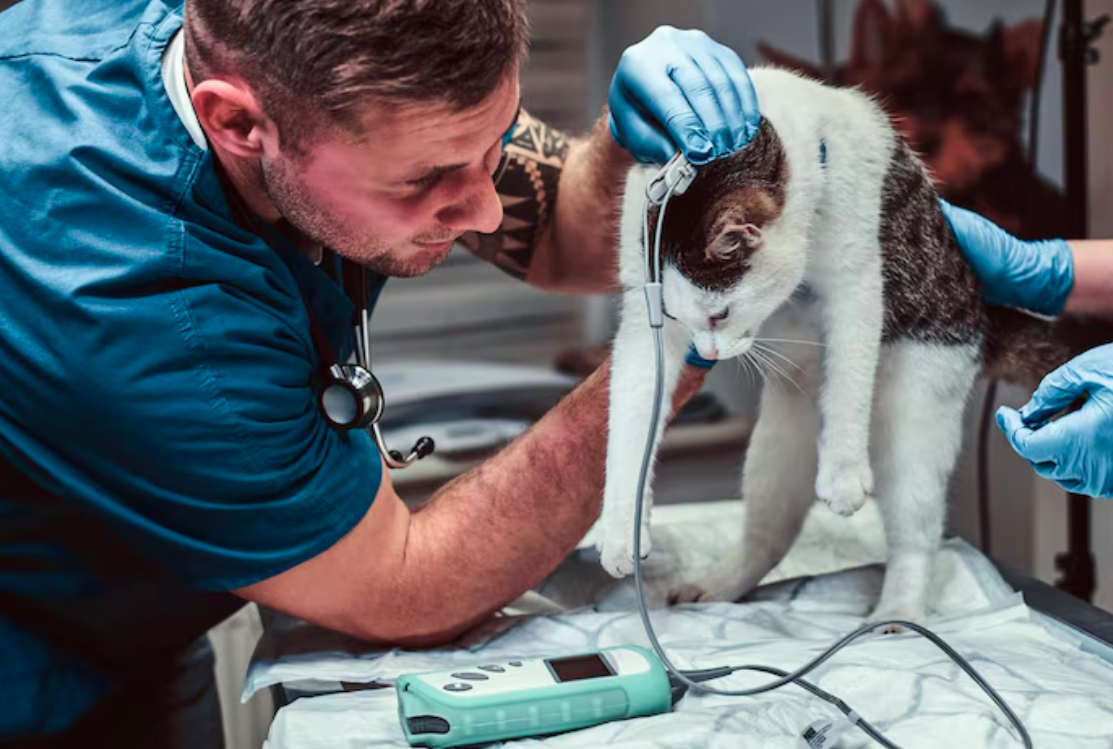
The decision to proceed with a medical procedure for a beloved animal companion is often met with a mix of concern and hope. Modern veterinary medicine has progressed to a point where surgical interventions are safer, more precise, and more effective than ever before.
For many animals, these procedures are not merely elective choices but are essential steps toward resolving chronic pain or addressing life-threatening conditions.
By choosing a qualified professional to perform the necessary operation, owners can provide their companions with a second chance at a healthy and active life. Here are six significant benefits that highlight the importance of pet surgery in contemporary animal healthcare.
1. Resolving Acute and Chronic Physical Pain
One of the most immediate advantages of a successful operation is the alleviation of physical suffering. Conditions such as hip dysplasia, torn ligaments, or dental abscesses can cause persistent discomfort that diminishes an animal’s spirit.
Through targeted pet surgery, veterinarians can repair damaged tissues or remove the source of inflammation. This physical relief allows the animal to return to its normal activities, such as running and playing, without the burden of constant pain.
2. Prevention of Life-Threatening Diseases
Certain procedures are performed primarily as a proactive measure to ensure long-term health. For instance, spaying and neutering are common operations that significantly reduce the risk of certain cancers and uterine infections.
By scheduling this type of pet surgery early in an animal’s life, owners can effectively eliminate the possibility of several fatal reproductive diseases. This preventative approach is a cornerstone of responsible ownership and contributes to a much longer lifespan for the companion.
3. Correction of Congenital Abnormalities
Some animals are born with structural defects that can impair their ability to breathe, eat, or move properly. Issues such as a cleft palate or heart valve abnormalities can be corrected through specialized surgical techniques.
When a young animal undergoes pet surgery to fix a birth defect, it prevents a lifetime of disability and ensures that the pet can grow and develop at a normal rate alongside its peers.
4. Early Removal of Dangerous Tumors
The discovery of a lump or mass on a pet can be a frightening experience for any owner. Fortunately, many tumors can be successfully removed if they are detected in their early stages. Surgical excision remains the most effective way to prevent a localized mass from spreading to other vital organs.
A timely pet surgery can often be curative, removing the malignancy entirely and allowing the animal to enter a period of full recovery and remission.
5. Restoration of Mobility and Independence
Fractures and orthopedic injuries can leave a pet immobile and dependent on others for basic needs. Modern orthopedic operations utilize pins, plates, and advanced bone-grafting techniques to restore the structural integrity of the limbs.
Restoring the ability to walk and jump is essential for the mental and physical well-being of the animal. This restoration of independence is a profound benefit that improves the daily bond between the owner and the companion.
6. Enhancing Overall Longevity and Quality of Life
Ultimately, every medical intervention is aimed at extending the years a pet spends with its family. Whether it is an emergency life-saving procedure or a routine corrective operation, the cumulative effect is a more vibrant and enduring life.
Animals that receive appropriate medical care are more likely to remain active and engaged well into their senior years. This commitment to professional healthcare ensures that the relationship between humans and their animals is as long and fulfilling as possible.