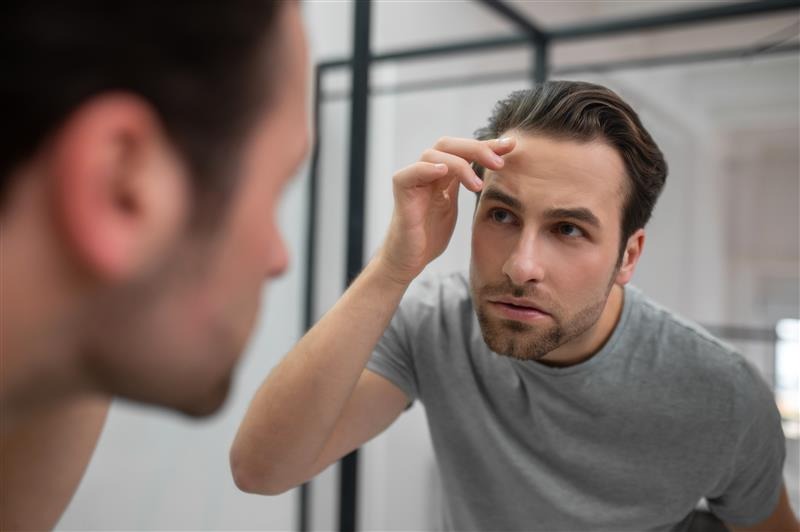
For many men, noticing a thinning hairline or a bald spot can be a stressful experience. It is often the root of a huge dip in confidence and self-esteem starting from an early age, considering a lot of men experience their first signs of hair loss in their early 20s.
While genetics often play the biggest role, the good news is that in 2026, there are more effective ways to manage hair loss than ever before. From clinically proven medications to advanced localized therapies, you have several reliable options to help keep the hair you have or even regrow what was lost.
In this guide, we break down the best hair loss treatments for men available today to help you decide which approach fits your lifestyle and goals.
Understanding The Impact of Hair Loss for Men
Hair loss is far more than a cosmetic change, even with the right hair treatments from top men’s salon in Dhaka. Often referred to as androgenetic alopecia, this condition is driven by a combination of genetics and hormonal changes, specifically the sensitivity of hair follicles to dihydrotestosterone (DHT).
While society often treats balding as an inevitable part of aging, the psychological transition can feel like losing a major part of one’s identity.
The scale of this reality is widespread. Understanding how common hair loss is can help men take action on time, as 66% of men will begin to experience some degree of hair thinning by the age of 35. By age 50, that number jumps to roughly 85% of men having significantly thinner hair. This highlights that if you are noticing more hair in the shower drain or a receding hairline, you are certainly not alone.
Scalp health today focuses on consistent, science-based care rather than miracle cures. With options like topical treatments, oral medications, and advanced clinical procedures, early intervention is the key in 2026.
Understanding the biological causes of thinning hair is the first step in choosing an effective plan, one that helps protect both your hair and your peace of mind.
Medication for Hair Loss
For a lot of men , tackling thinning hair often starts with two proven treatments. These work best when you start early, helping to keep the hair you have and giving those shrinking follicles a boost.
- Minoxidil (Topical Solution)
Minoxidil is an over-the-counter hair fall treatment for men that has been a staple in hair restoration for decades.
- How it works: It is a vasodilator, meaning it widens the blood vessels in the scalp. This increases blood flow to the hair follicles, extending the “growth phase” of the hair cycle and delivering more nutrients to the root.
- Results timeline: Consistency is key. You may notice increased shedding in the first few weeks as old hairs make way for new ones. Visible improvement usually appears between 3 to 6 months of twice-daily application.
- Possible side-effects: It can leave a greasy residue, potential for scalp irritation or dryness.
Minoxidil serves as a reliable growth stimulant that fits easily into a morning and evening grooming routine.
- Finasteride (Oral Tablet)
While Minoxidil focuses on growth, Finasteride targets the underlying hormonal cause of male pattern baldness.
- How it blocks DHT: It works by inhibiting the enzyme (5-alpha reductase) that converts testosterone into Dihydrotestosterone (DHT). Since DHT is the hormone responsible for shrinking hair follicles, lowering its levels protects the hair from further damage.
- Who should use it: It is designed for men experiencing male pattern baldness. Because it is a prescription medication, it is best suited for those who want a convenient, once-a-day pill and are under the supervision of a doctor.
- Possible side-effects: Most men tolerate the medication well. However, a small percentage (roughly 2-3%) may experience decreased libido, erectile dysfunction, or breast tenderness. These effects typically stop if the medication is discontinued.
As Finasteride addresses the hormonal root of the problem, it acts as a powerful shield against the progression of a receding hairline.
Professional Hair Loss Treatments at a Salon
While home medications form the foundation of hair preservation, visiting an expert men’s grooming salon or a clinic offers tailored solutions. These treatments focus on optimizing the scalp environment to ensure every follicle has the best possible chance to thrive.
Specialized Scalp and Hair Therapies
Professional environments provide access to high-grade products and equipment designed to target specific scalp issues.
- Deep Scalp Cleansing and Exfoliation: These treatments remove stubborn DHT buildup, dead skin cells, and product residue that regular shampooing cannot reach.
- Hair Strengthening and Protein Treatments: Unique formulas strengthen your hair with keratin and essential proteins, helping to prevent breakage and make thinning hair look fuller and healthier.
- Scalp Hydration and Steam Therapy: Steaming isn’t just a treat for your face; it works wonders for your scalp, too. The steam gently opens up your pores and softens the skin, letting your favorite hydrating serums soak in and work their magic.
- High-Frequency Stimulation: A professional device uses a gentle electrical current to improve blood circulation and provide an anti-bacterial effect, revitalizing dormant follicles.
The results of these treatments are best seen through consistent maintenance, and combining with high-quality at-home hair treatments such as sulfate-free shampoos and topical treatment.
Hair Loss Shampoos and Topical Treatments
While professional salon visits and clinical hair loss treatment for men provide intensive care, your daily shower and grooming routine offer a constant opportunity to protect your hair.
Targeted Shampoos for Thinning Hair
Choosing the right shampoo is about more than just getting your hair clean; it’s about nourishing your scalp with the right ingredients.
- DHT-Blocking Shampoos: These often contain natural ingredients like saw palmetto or pumpkin seed oil. They aim to reduce the amount of dihydrotestosterone (DHT) present on the scalp, helping to prevent the miniaturization of hair follicles.
- Caffeine-Infused Shampoos: Caffeine is a known stimulant that can help extend the growth phase of the hair cycle. It penetrates the follicles to encourage activity and can provide a temporary boost in hair diameter, making hair appear thicker.
- Ketoconazole & Anti-Dandruff Shampoos: Originally designed to treat fungal issues and dandruff, ketoconazole has shown promise in reducing scalp inflammation. Many experts suggest it can disrupt the DHT pathway, making it a powerful “off-label” tool for hair preservation.
Serums, Tonics, and Nourishing Oils
Once the scalp is clean, leave-in treatments provide a concentrated dose of nutrients that stay on the skin throughout the day.
- Hair Serums and Scalp Tonics: These lightweight formulas are usually packed with peptides, biotin, and antioxidants. They are designed to be massaged into the scalp to strengthen the hair at the root and improve overall scalp health.
- Oils and Leave-In Treatments: Essential oils like rosemary, peppermint, and cedarwood are popular for their ability to increase circulation. When used as leave-in treatments, they help lock in moisture and protect existing hair strands from damage and breakage.
Through these targeted topicals in your daily regimen, you create a supportive environment that complements stronger medical treatments.
Lifestyle Changes to Reduce Hair Loss
While treatments and products can help, healthy hair starts with your daily habits.
- Target Key Micronutrients: Ensure adequate intake of Biotin, Zinc, Vitamin D, and Iron, as deficiencies in these specific areas are leading biological triggers for thinning.
- Manage Cortisol Levels: High stress can force hair follicles into a premature resting phase; incorporating regular exercise or meditation helps keep stress hormones from disrupting the growth cycle.
- Optimize Sleep Quality: Deep sleep is the body’s primary time for cellular repair and the production of melatonin, a hormone closely linked to healthy hair follicle function.
- Minimize Heat Exposure: Reducing the use of high-heat blow dryers and styling tools prevents thermal damage that weakens the hair shaft and causes breakage.
- Avoid Harsh Chemicals: Switch to sulfate-free shampoos and limit chemical dyes to protect the scalp’s natural oils and prevent inflammation.
These habits work together to create the perfect internal environment to help your hair grow thicker and prevent it from falling out too soon.
Final Thoughts
The most successful results come from a strategic combination of internal health management, medical intervention, and professional care. Because hair loss is a progressive condition, the most effective time to start any treatment is as soon as you notice changes.
Consistency is the ultimate factor in determining success. Whether you are using a daily medication, a topical stimulant, or specialized shampoos, these treatments require months of steady use before visible improvements appear.