A strong and well-built roof is one of the most important parts of any modern home. It protects the structure from weather, improves comfort, and adds value to the property. Among all building elements, residential roofing plays a key role in ensuring that a house remains safe and durable for many years. Good roofing not only shields the home from rain, wind, and heat but also supports the overall structure of the building. When homeowners invest in quality residential roofing, they are investing in long-term protection, reduced repair costs, and better living conditions. Understanding how roofing contributes to durability helps homeowners make smarter decisions for their property.
Quality Materials in Residential Roofing
One of the main reasons residential roofing ensures long-term durability is the use of high-quality materials. Modern roofing systems are designed with strong materials such as asphalt shingles, metal sheets, clay tiles, and composite options. These materials are made to withstand harsh environmental conditions and resist wear over time. When properly selected, residential roofing materials provide excellent strength and long-lasting performance. They are also designed to handle temperature changes without cracking or weakening. This makes the roof more reliable and reduces the chances of frequent repairs or early replacement.
Protection from Weather and Environmental Damage
Residential roofing acts as the first line of defense against weather and environmental challenges. It protects homes from heavy rainfall, strong winds, snow, and intense sunlight. Without proper roofing, moisture can enter the building and cause damage to walls, ceilings, and foundations. A well-installed residential roofing system prevents leaks and reduces the risk of mold growth inside the home. It also helps maintain a stable indoor temperature by blocking extreme weather conditions. This protection is essential for keeping the structure strong and ensuring that the home remains safe throughout the year.
Proper Installation and Maintenance
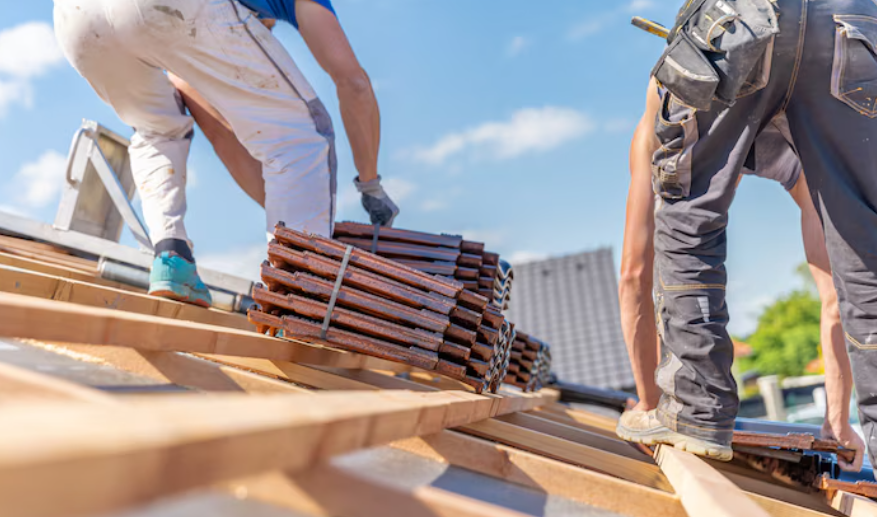
Even the best materials cannot perform well without correct installation. Professional installation is a key factor in the durability of residential roofing. Skilled roofers ensure that every layer is properly aligned and sealed to avoid gaps or weak points. In addition to installation, regular maintenance also plays an important role. Simple inspections and timely repairs help identify small issues before they become serious problems. Cleaning debris and checking for damage after storms can extend the life of residential roofing. These practices ensure that the roof remains strong and continues to perform effectively for many years.
Energy Efficiency and Structural Strength
Modern residential roofing is not only about protection but also about improving energy efficiency and structural strength. A well-designed roof helps regulate indoor temperatures by reducing heat loss in winter and minimizing heat absorption in summer. This reduces the need for excessive heating or cooling, which can lower energy costs. At the same time, residential roofing adds structural support to the entire building. It distributes weight evenly and strengthens the overall framework of the house. This combination of efficiency and strength makes the home more stable and comfortable in the long run.
Conclusion
In conclusion, residential roofing is a vital part of modern home construction that directly impacts durability, safety, and comfort. Through high-quality materials, strong weather protection, proper installation, and regular maintenance, it ensures that homes remain secure for many years. It also improves energy efficiency and strengthens the building’s structure, making it a valuable long-term investment. Choosing reliable residential roofing is one of the most effective ways to protect a home and maintain its value over time.