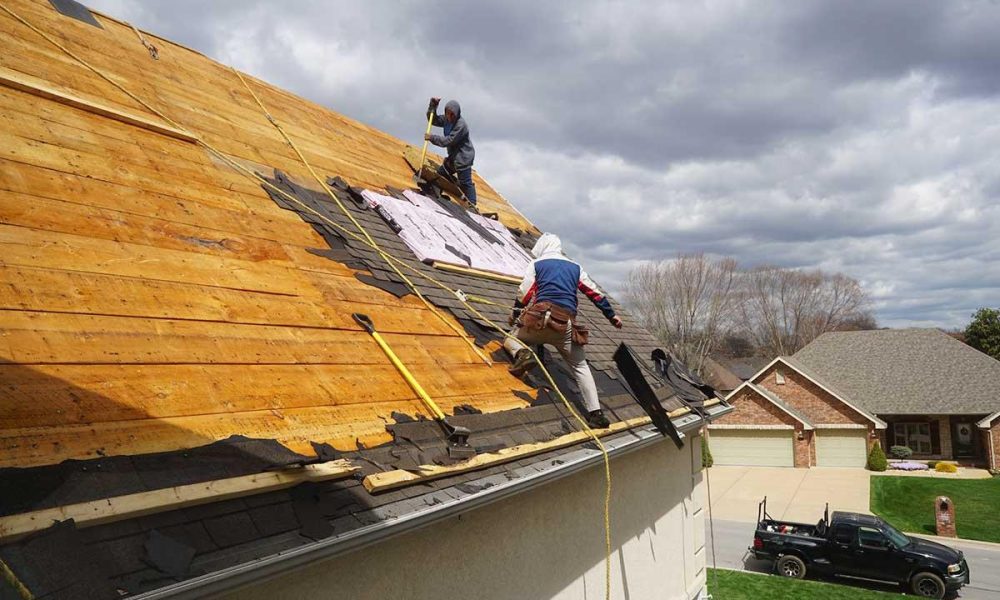
Starting a business is hard. You have to figure out what you’re going to sell and how much it will cost, then you need to find customers who want that product at that price. On top of all that, many states require special licenses for roofing companies (and other kinds of construction companies).
The good news is that this article breaks down each step in the process—from start-up costs to marketing materials—so you can get your business off the ground with confidence. From there, all it takes is some elbow grease!
Business licenses and permits
· Business license: You’ll need to get a business license from the county where your company is located. This will cost between $50 and $100, depending on the size of your business and how long it has been in operation.
· Contractor’s license: In most states, contractors must have a contractor’s license before they can legally perform certain types of work (i.e., roofing).
· To get one, you must submit an application with proof that you have liability insurance coverage; pass an exam; pay fees; meet education requirements; and complete continuing education courses every two years.
· Permit for roofing work: If you’re going to be doing any kind of roofing work yourself (and not hiring someone else), then before starting any such projects at all–even just replacing shingles on an existing rooftop-you’ll need some sort of permit from either city hall or county officials.
· Permit for electrical work: Same thing goes here: Without getting permission beforehand from local authorities regarding wiring inside homes or buildings, there could be serious consequences if something goes wrong later down the road–like electrocution!
Customer service
Customer service is an integral part of any business, but it’s especially important for a roofing company. Your clients will be depending on you to provide them with a safe and secure place to live or work. It’s not enough just to answer the phone when the customer calls; you need to make sure that your customers feel like they’re being taken care of throughout their entire interaction with your company.
There are several ways that you can go above and beyond when it comes to customer service:
Always send out confirmation emails after scheduling appointments or accepting quotes from potential clients (and follow up if someone hasn’t responded). This way, everyone knows what’s going on in terms of scheduling or quoting. You’ll also have records of who said what so there aren’t any misunderstandings later on down the road!
If someone asks about something specific while they’re talking on the phone with one employee but another employee ends up helping them later down the line (like when ordering materials), let both know what happened so nothing falls through cracks–it would be terrible if something went wrong because neither person knew what was happening!
Working on roofs is not easy, but it is a lucrative job that will pay off over time. Today there are many companies for quality slate roofing in Sydney, and only a few are the best. It is worth making knowledge, in relationship with customers, but also in their skills and materials.
What do you need everything from the equipment?
The first step to starting a roofing company is to determine what you need. The answer isn’t always obvious, so let’s take a look at some of the basic equipment needed for roofing companies, including:
Roofing tools. This includes hammers and chisels, among other things. You’ll need these tools to remove shingles and other materials from an old roof prior to installing a new one.
Ladders. A ladder is essential for reaching high places on a building or home with ease. It should be long enough to reach your average job site without difficulty, but not so long that it’s cumbersome to use or carry around all day long.
Tarps and tarps poles . Tarps are used for covering up areas where you don’t want the weather getting in the way of your work. They’re also used for protecting other materials such as insulation or plywood during installation processes as well as protecting your vehicle when transporting materials back and forth between jobsites and storage locations (if necessary).
Safety Equipment: The most important safety equipment is safety glasses and hearing protection. If you’re going to be doing any major work, you should also invest in steel-toe boots, gloves and a hard hat.
Equipment: You’ll need basic hand tools such as screwdrivers, wrenches and hammers. You also need power tools like drills and sanders. In addition to these basic tools, you’ll need a ladder — preferably one with extendable legs — so that you can reach high places safely.
If you plan on doing any painting or staining jobs for your customers, then you’ll need a sprayer for applying paint or stain.
If you’re ready to start a roofing company, congratulations! You’ve already taken the first step. Now it’s time for you to get out there and start building your business.