Introduction
In an increasingly interconnected world, the Internet of Things (IoT) has emerged as a technological revolution, changing the way we collect and utilize data. However, the massive influx of data generated by IoT devices has given rise to new challenges in data processing and management. Enter edge computing, a paradigm-shifting concept that is redefining how we handle data in the era of IoT.
The IoT Data Deluge
The Proliferation of IoT Devices
The IoT ecosystem is expanding rapidly, with devices ranging from smart thermostats to industrial sensors becoming commonplace. These devices generate an immense amount of data, often in real-time, and sending all of it to a centralized cloud server can lead to latency and bandwidth issues.
The Challenge of Latency
For certain applications, especially those that demand immediate responses, latency is a critical concern. Consider autonomous vehicles or remote medical monitoring systems. These applications require split-second decisions, and any delay in data processing can have dire consequences.
Enter Edge Computing
What Is Edge Computing?
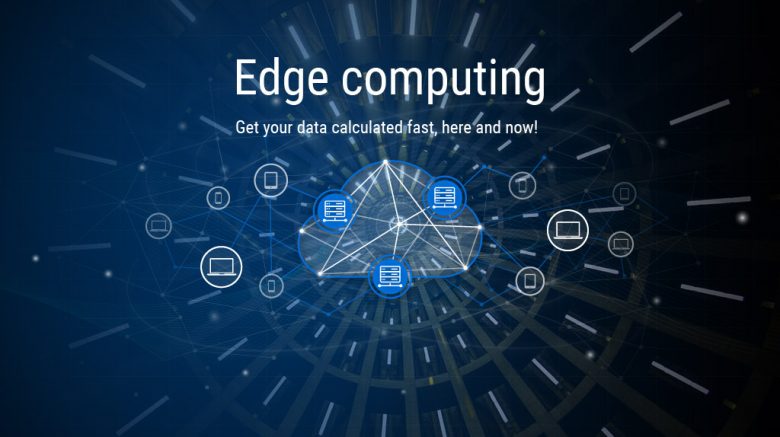
Edge computing is a distributed computing model that brings computation and data storage closer to the data source – the edge of the network. Instead of sending all data to a remote cloud data center, edge devices process data locally or at nearby edge servers.
Benefits of Edge Computing
- Reduced Latency: By processing data closer to where it’s generated, edge computing drastically reduces latency, ensuring faster response times.
- Bandwidth Efficiency: Edge computing minimizes the need for continuous high-bandwidth data transfers to the cloud, making more efficient use of network resources.
- Enhanced Privacy and Security: Edge devices can perform data processing locally, improving data privacy and security by reducing exposure to the cloud.
- Offline Operation: Edge devices can continue to function and process data even when connectivity to the cloud is disrupted.
Use Cases
Smart Cities
In smart city projects, edge computing enables real-time analysis of data from various sensors, allowing for quicker responses to events such as traffic congestion or environmental issues.
Manufacturing
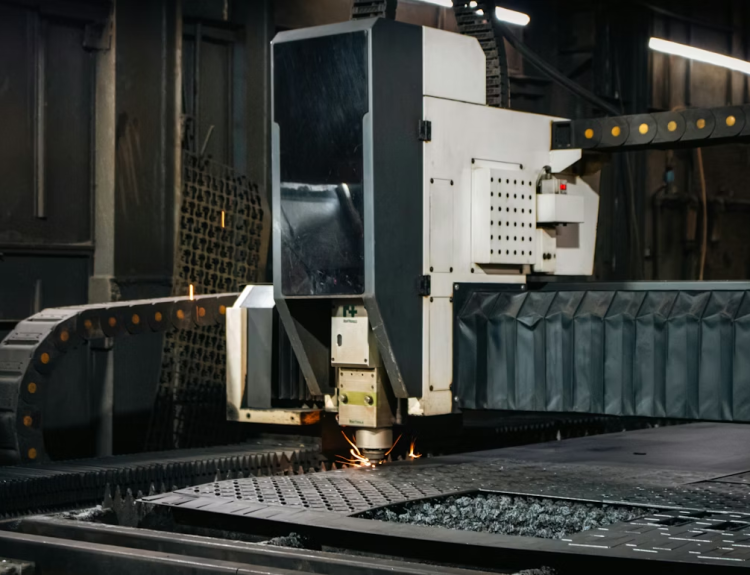
In industrial settings, edge computing helps monitor machinery in real-time, predict maintenance needs, and optimize production processes.
Healthcare
Edge devices in healthcare can process patient data at the source, enabling faster diagnosis and treatment recommendations, especially in remote or critical care scenarios.
Challenges and Considerations
While edge computing offers numerous advantages, it also presents challenges:
- Infrastructure Requirements: Deploying edge servers and devices requires infrastructure investment.
- Data Synchronization: Ensuring data consistency and synchronization between edge devices and central systems can be complex.
- Scalability: Scaling edge computing solutions for large-scale IoT deployments can be challenging.
Conclusion
Edge computing is redefining data processing for IoT by moving computation closer to where data is generated. This paradigm shift offers reduced latency, improved privacy, and greater efficiency in handling the massive volumes of data generated by IoT devices. As technology continues to advance, edge computing will play a pivotal role in enabling the full potential of the Internet of Things.
FAQs
- What is edge computing?
Edge computing is a distributed computing model that processes data closer to its source, reducing latency and improving efficiency, especially in IoT applications. - Why is reducing latency important in IoT?
Low latency is crucial in IoT for applications like autonomous vehicles and real-time monitoring, where immediate responses are required. - What are some examples of edge computing use cases?
Edge computing is used in smart cities, manufacturing, healthcare, and more, enabling real-time data analysis and faster decision-making. - What challenges does edge computing face?
Challenges include infrastructure requirements, data synchronization, and scalability for large-scale deployments. - How does edge computing enhance data privacy and security?
Edge devices process data locally, reducing exposure to the cloud and enhancing privacy and security.